Learn
Research & Protocols
Research, dosing protocols, and expert insights on peptide therapy.
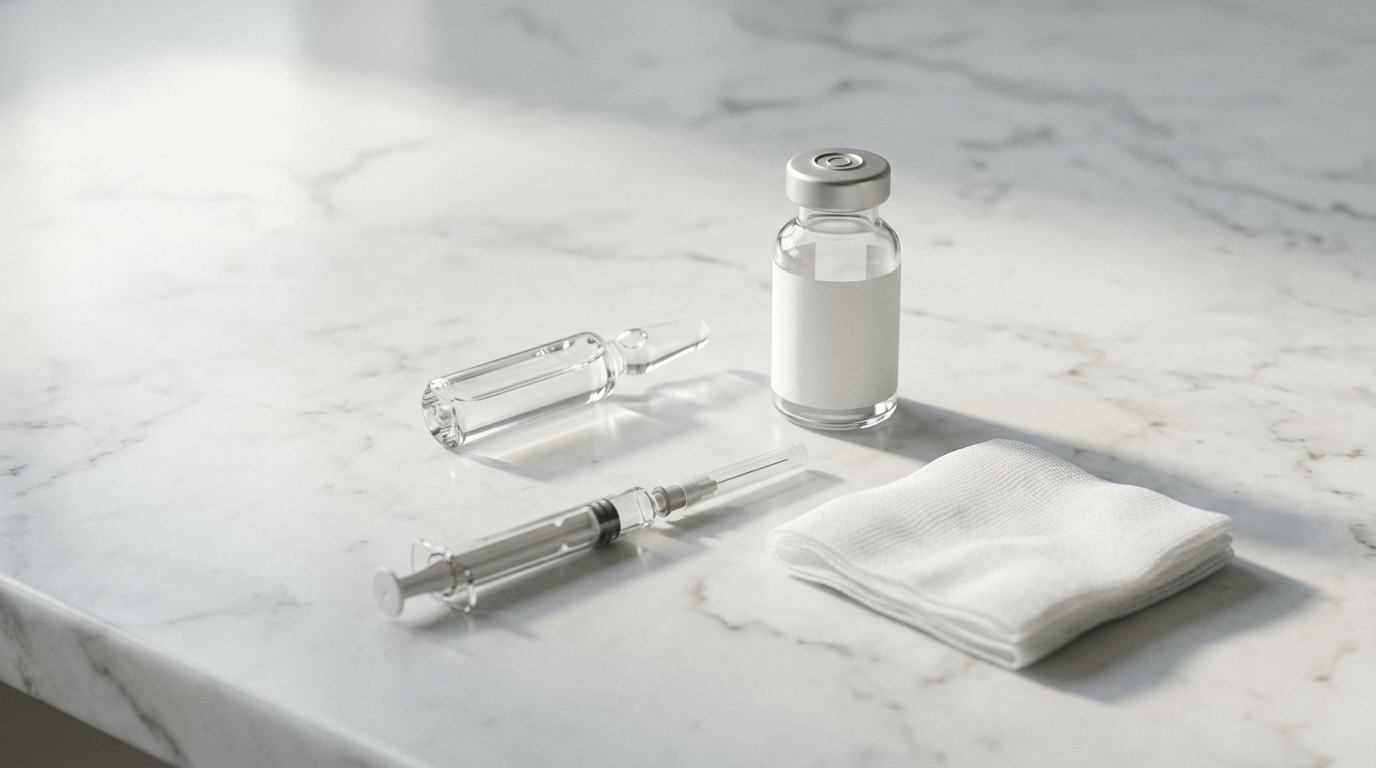
How to Reconstitute Peptides: The Step-by-Step Reference
Reconstitution is the first critical step in any peptide protocol. This reference covers bacteriostatic water versus sterile water, concentration math for common vial sizes, proper mixing technique, post-reconstitution storage, and the errors that compromise peptide integrity.

Tesamorelin and Visceral Fat: What the Clinical Data Shows
Tesamorelin is the only peptide with FDA-approved clinical trial data specifically targeting visceral adipose tissue reduction. This guide reviews the phase 3 evidence, mechanism of action, and what the research conversation looks like beyond the approved indication.

Sildenafil/Tadalafil 55/22mg ODT: The Science Behind Compounded PDE5 Combinations
Compounded sildenafil/tadalafil ODT pairs a fast-acting PDE5 inhibitor with a long-duration one in a single orally dissolving tablet. Here is the pharmacology, the compounding rationale, and why delivery format matters in men's health research.

Sermorelin vs HGH Replacement: Why the Pathway Matters
Sermorelin and recombinant HGH both address growth hormone decline, but through fundamentally different mechanisms. Understanding the pathway difference - pituitary stimulation versus direct replacement - is the starting point for any serious GH research conversation in 2025 and beyond.

MOTS-c: The Mitochondrial Peptide Everyone's Researching
MOTS-c is a mitochondrial-derived peptide discovered in 2015 that plays a key role in metabolic regulation, insulin sensitivity, and cellular energy homeostasis. This educational reference covers what the current research shows and why longevity scientists are paying attention.

NAD+ Injection vs Nasal Spray: Route of Delivery Explained
NAD+ can't survive oral digestion in useful amounts - injectable and intranasal routes bypass that barrier entirely. This reference breaks down the pharmacokinetics, onset profiles, and use cases behind each delivery method so you can evaluate the research with clarity.

GHK-Cu: The Copper Peptide Backed by 40 Years of Skin Research
GHK-Cu has one of the longest documented research histories of any peptide in the skin-science literature. From Loren Pickart's foundational serum studies in the 1970s to modern genomics work, the copper tripeptide continues to attract serious scientific attention for tissue remodeling, wound healing, and hair follicle biology.

TB-500 10mg/mL: Inside Greenstone's High-Concentration Vial
TB-500 at 10mg/mL delivers twice the concentration of the standard formulation - built for precision research. Here's what's inside the vial, how it's compounded, and what the literature actually shows about thymosin beta-4.

TB-500 vs BPC-157: Two Recovery Peptides, Two Different Jobs
TB-500 and BPC-157 are the two most-searched recovery peptides in the research community. They target overlapping goals - tissue repair, angiogenesis, reduced inflammation - but through distinct mechanisms and with meaningfully different research profiles. Here is a clear-eyed breakdown.

NAD+ 200mg/mL: Inside Greenstone's High-Concentration Vial
NAD+ is the coenzyme every cell uses to make energy and repair DNA - and levels decline with age. Inside Greenstone's 200mg/mL vial: the research on cellular metabolism, why injectable formats exist, and how high-concentration NAD+ compares to oral precursors like NMN and NR.
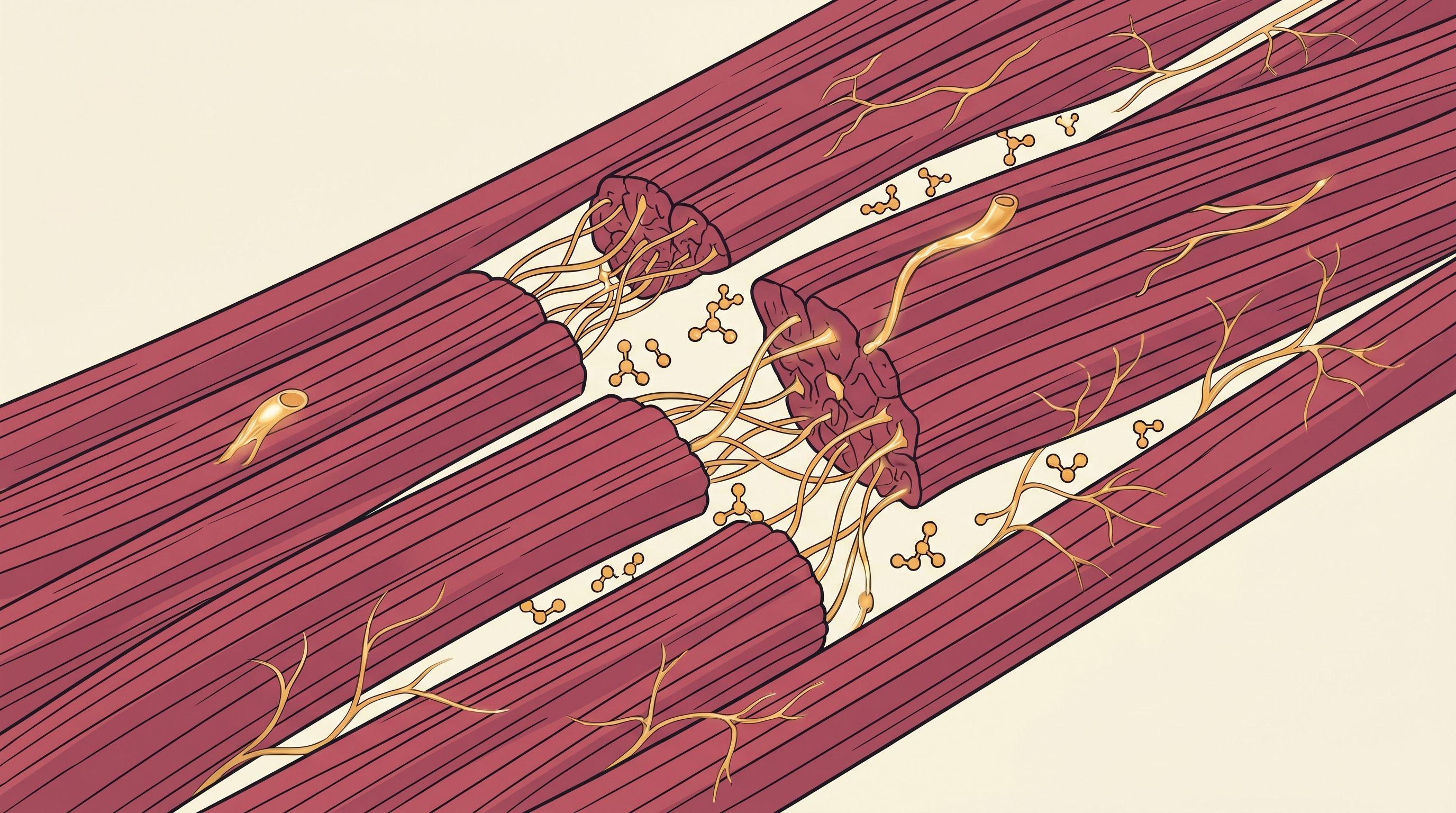
BPC-157 and Tendon Repair: What the Research Actually Shows
BPC-157 is one of the most discussed recovery peptides - and one with an unusually coherent preclinical case for tendon healing through angiogenesis. Here is what the published animal research actually shows, the proposed mechanism, and where the human evidence stops.

TB-500 FAQ: Common Questions Answered with Research
A clinical, citation-friendly FAQ on TB-500 - what it is, how thymosin beta-4 fits in, what the published research supports, how 503A compounding applies, storage context, and how athletes should think about it. Clear answers, no hype.

Tesamorelin 5mg: Inside Greenstone's GHRH Analog Vial
Tesamorelin is one of the few peptides with a phase III trial program behind it. Inside Greenstone's 5mg vial - what the GHRH analog research shows on visceral fat, how the molecule works at the pituitary, and the quality standards behind the compounded format.
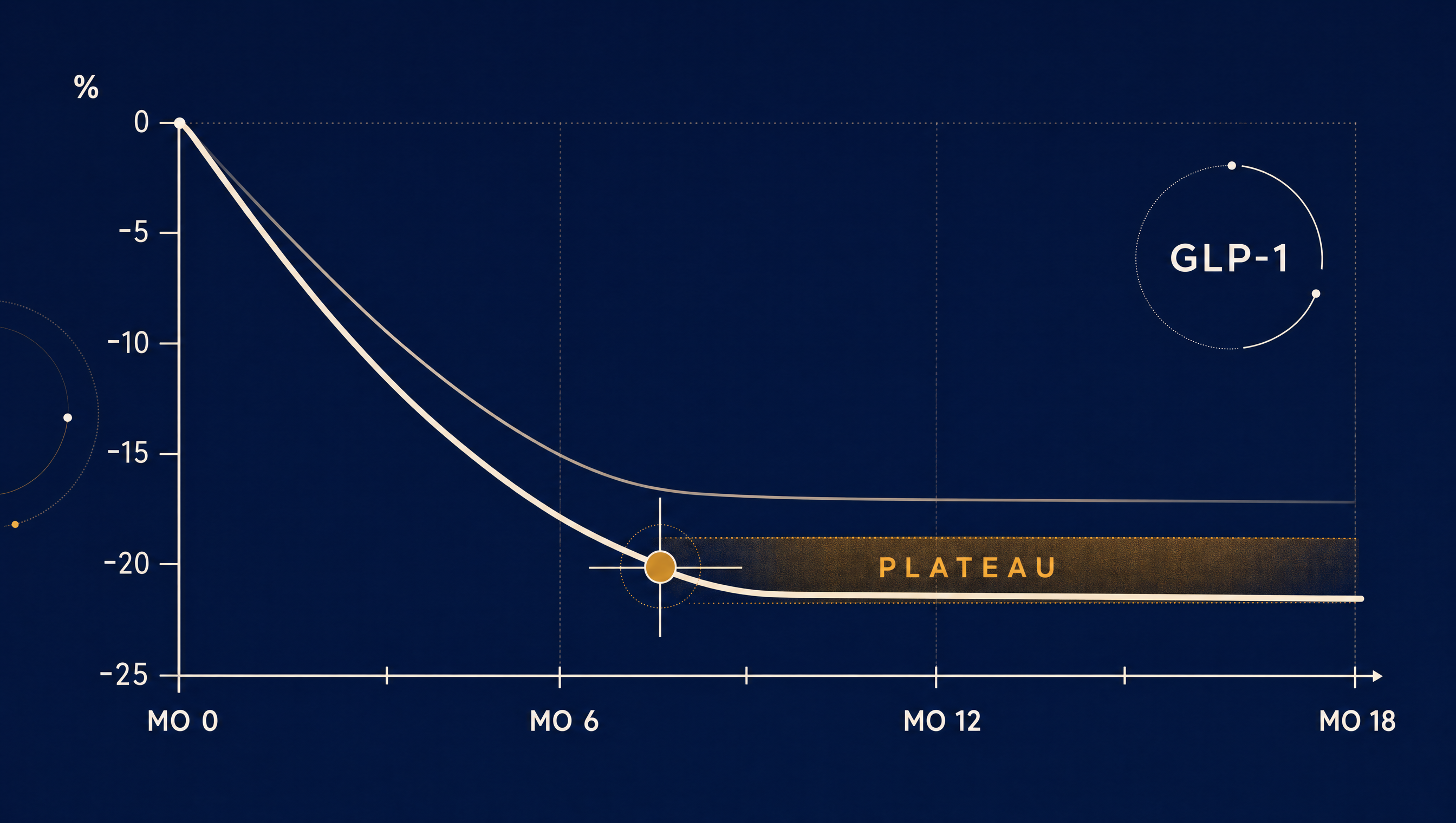
Hit a Weight Loss Plateau on GLP-1s? What the Research Says
Weight loss on GLP-1 medications stalls for most patients somewhere between month four and twelve. Here is what the STEP and SURMOUNT extension trials show about the plateau, why the curve bends, and the lifestyle levers that consistently show up in the data.
GHK-Cu 50mg: The Copper Peptide Backed by Decades of Research
GHK-Cu has the longest research history of any peptide in the modern wellness conversation. Inside Greenstone's 50mg vial - what the published data shows for skin, hair and tissue, and how the product is made.

The Tirzepatide Dosing Ladder: A Beginner Reference
Tirzepatide's titration schedule runs from 2.5 mg to 15 mg over 20 weeks. This reference walks through what each step does, what the SURMOUNT trials showed at each dose level, and why the slow escalation protocol exists.
TB-500 5mg: What the Research Shows on Thymosin Beta-4
A close look at Greenstone's TB-500 5mg vial - what thymosin beta-4 is, what the published preclinical research actually shows, and how 503A compounding standards, USA-sourced raw material, and third-party testing shape the quality of every vial.

Why Compounded Semaglutide Costs What It Costs: The Breakdown
Compounded semaglutide prices vary wildly, and the spread is rarely random. A transparent breakdown of what goes into the retail price - API sourcing, USP 797 sterile compounding, third-party testing, cold-chain shipping - and why the cheapest vial almost never wins.

BPC-157 FAQ: Common Questions Answered with Research
A clinical, citation-friendly FAQ on BPC-157 - what it is, how it's actually studied, how 503A compounding works, what the published research supports, dosing and storage context, and how to evaluate whether a peptide source is legitimate. Clear answers, no hype.
BPC-157 10mg/mL: Inside Greenstone's High-Concentration Vial
A closer look at Greenstone's BPC-157 10mg/mL vial - why a higher-concentration option exists, how it differs from the 5mg vial, and what 503A compounding, USA-sourcing, and third-party testing actually mean for the product on your shelf.
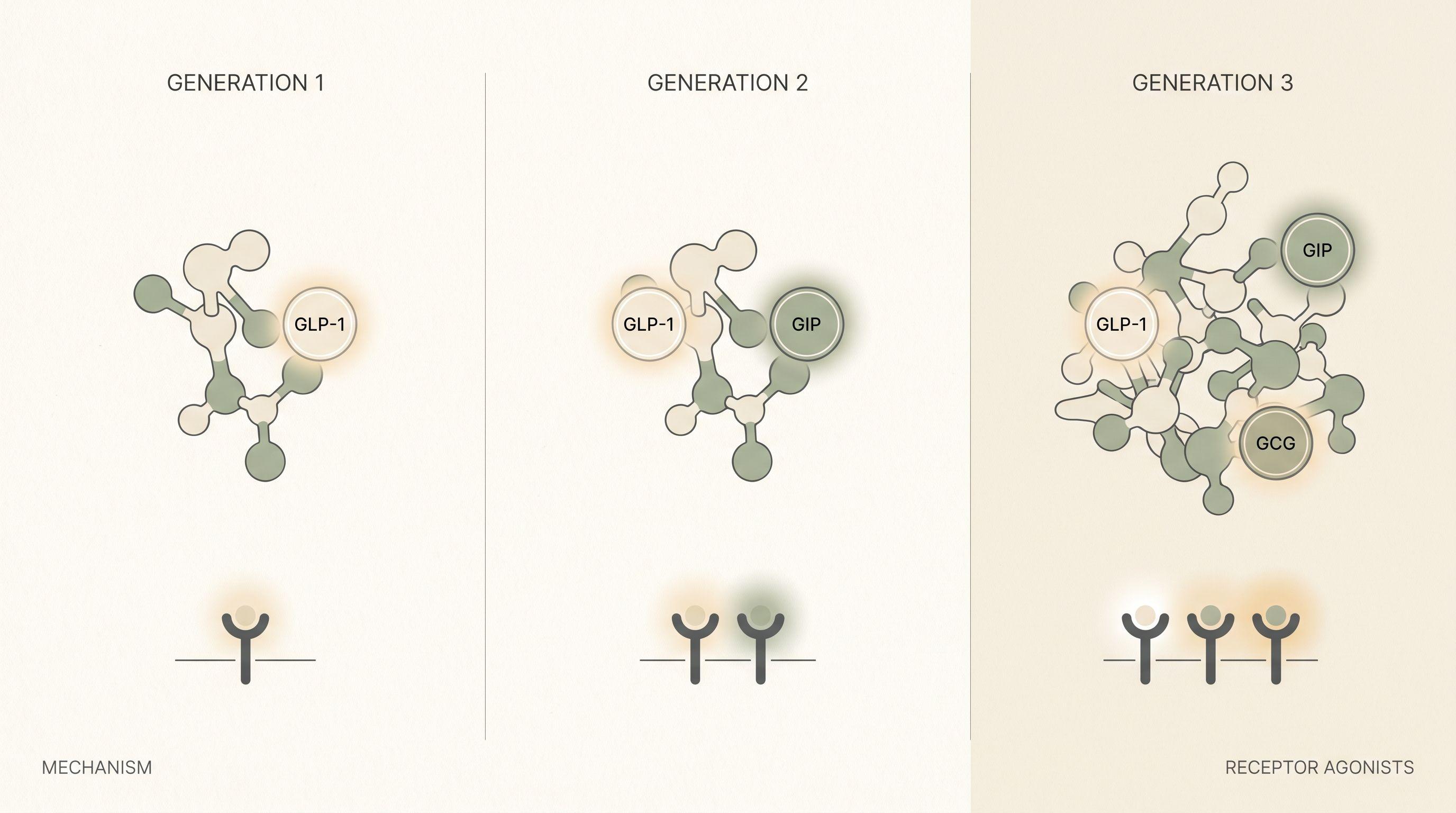
Semaglutide vs Tirzepatide vs Retatrutide Compared
Semaglutide, tirzepatide, and retatrutide each represent a different generation of GLP-1 medicine - single, dual, and triple receptor agonists. Here is how they compare on mechanism, published trial weight loss, and where the field is heading.
TB-500 vs BPC-157: Which Recovery Peptide Is Right for You?
TB-500 and BPC-157 are both recovery peptides with documented healing effects, but they work through different mechanisms. Understanding the distinction helps clarify which is appropriate - and when stacking makes sense.
RFK Jr. Moves to Restore Access to 12 Peptides - What It Means
Secretary Kennedy has announced that HHS will move to restore compounding access for 12 peptides previously restricted under the FDA's 2023 Category 2 decision. Here is what is actually happening.
How to Store Peptides: Temperature, Light, and Shelf Life
Improper storage is one of the most common causes of peptide potency loss. Here is what you need to know about temperature, light, reconstitution, and shelf life.
The Beginner's Guide to Peptide Therapy
Peptide therapy is one of the fastest-growing areas of health optimization. If you are new to it, here is what you need to understand before you start.
Why USA-Compounded Peptides Cost More (And Why It Matters)
Over 70% of peptides sold online originate from unregulated overseas synthesis facilities. The price difference between those products and USA-compounded peptides reflects something real.
GHK-Cu: The Copper Peptide Rewriting Anti-Aging Science
GHK-Cu is a naturally occurring copper-binding tripeptide that modulates over four thousand genes, supports collagen and elastin synthesis, and behaves unlike any other anti-aging molecule.
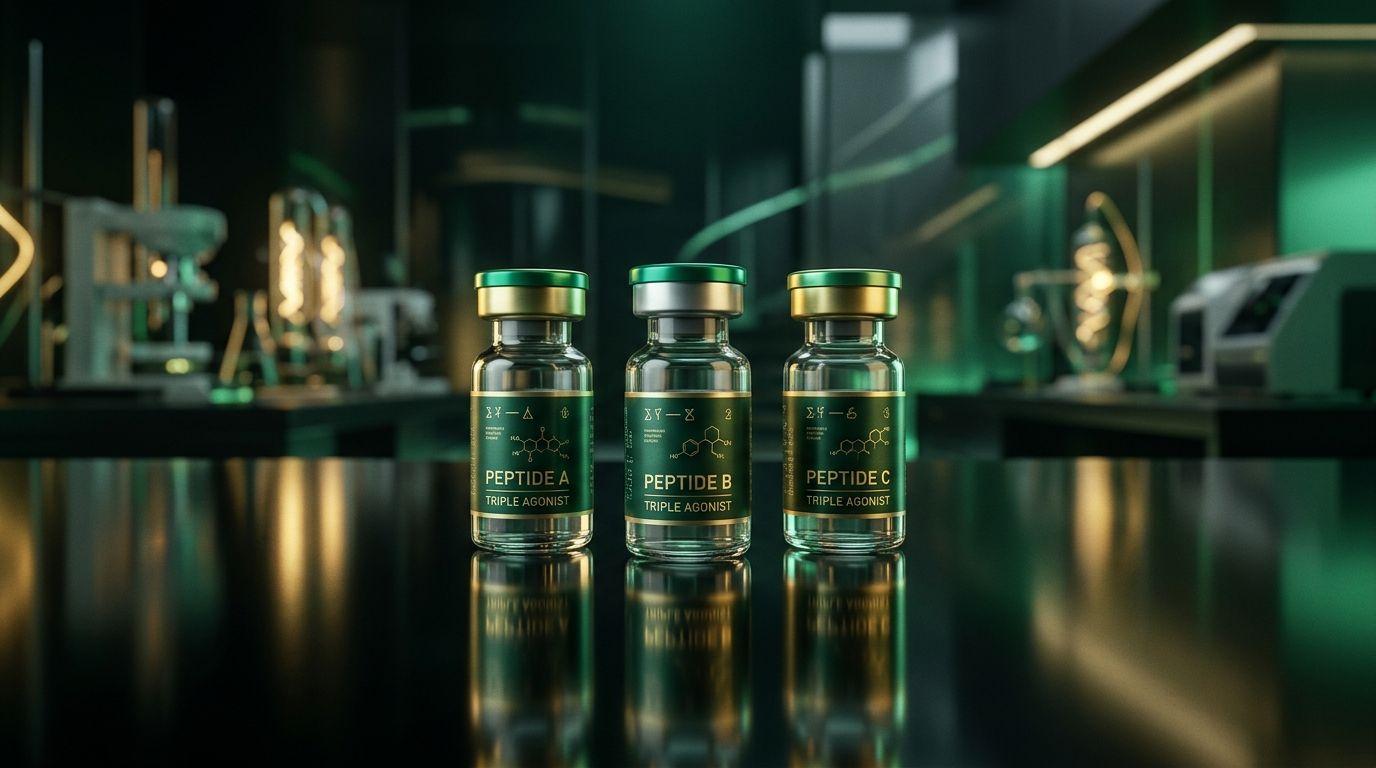
What Is Retatrutide? The Triple Agonist Changing Weight Loss
Retatrutide is an investigational triple agonist that activates GLP-1, GIP, and glucagon receptors simultaneously. Phase 3 trial results have been striking, with average weight loss approaching 29 percent.
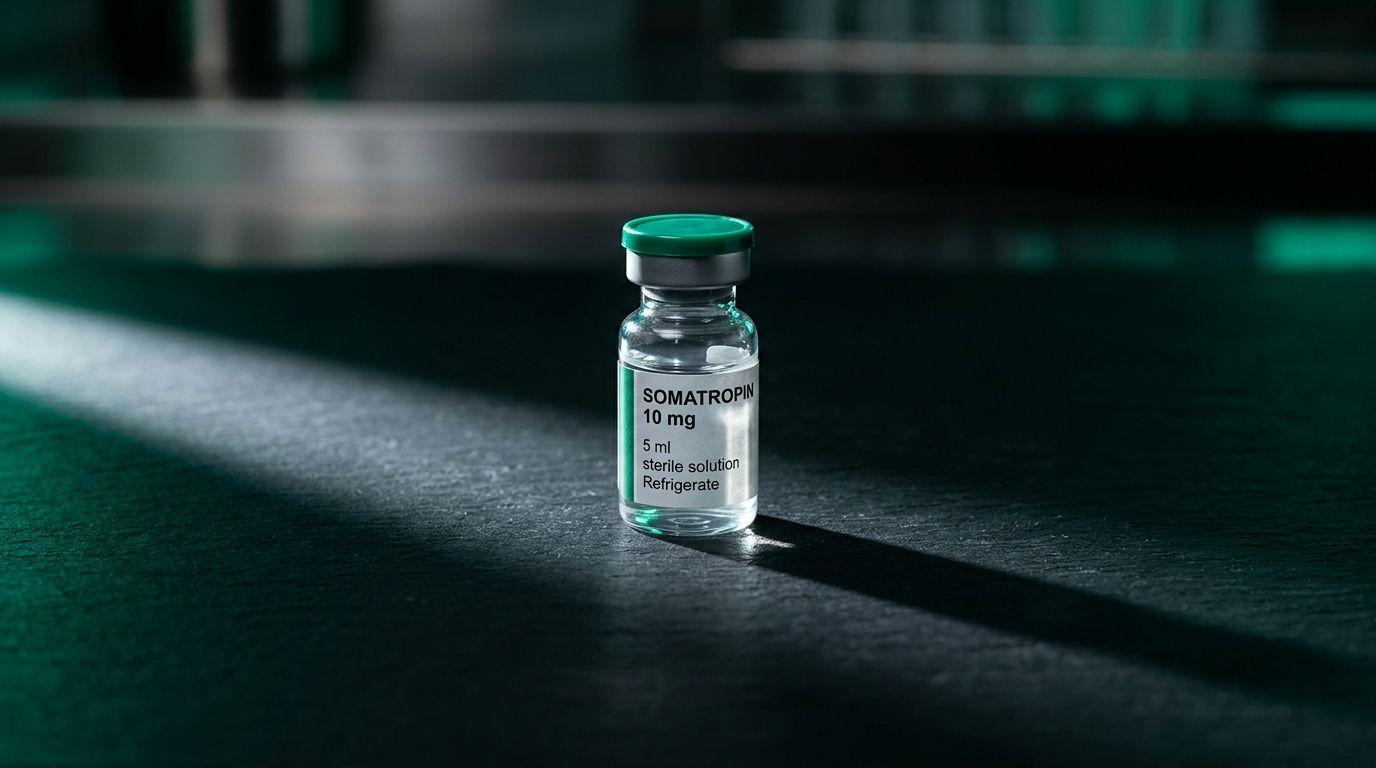
Sermorelin vs. HGH Replacement: Why Natural Stimulation Wins
Sermorelin is a growth hormone releasing hormone analogue that stimulates the body to produce its own pulsatile GH, rather than replacing it with synthetic injections. The distinction matters.
The Research Peptide Crackdown: What the FDA's 2026 Enforcement Means for You
The FDA issued warning letters to research peptide companies in March 2026, effectively ending the "research use only" loophole. Here is what changed and what it means for buyers.
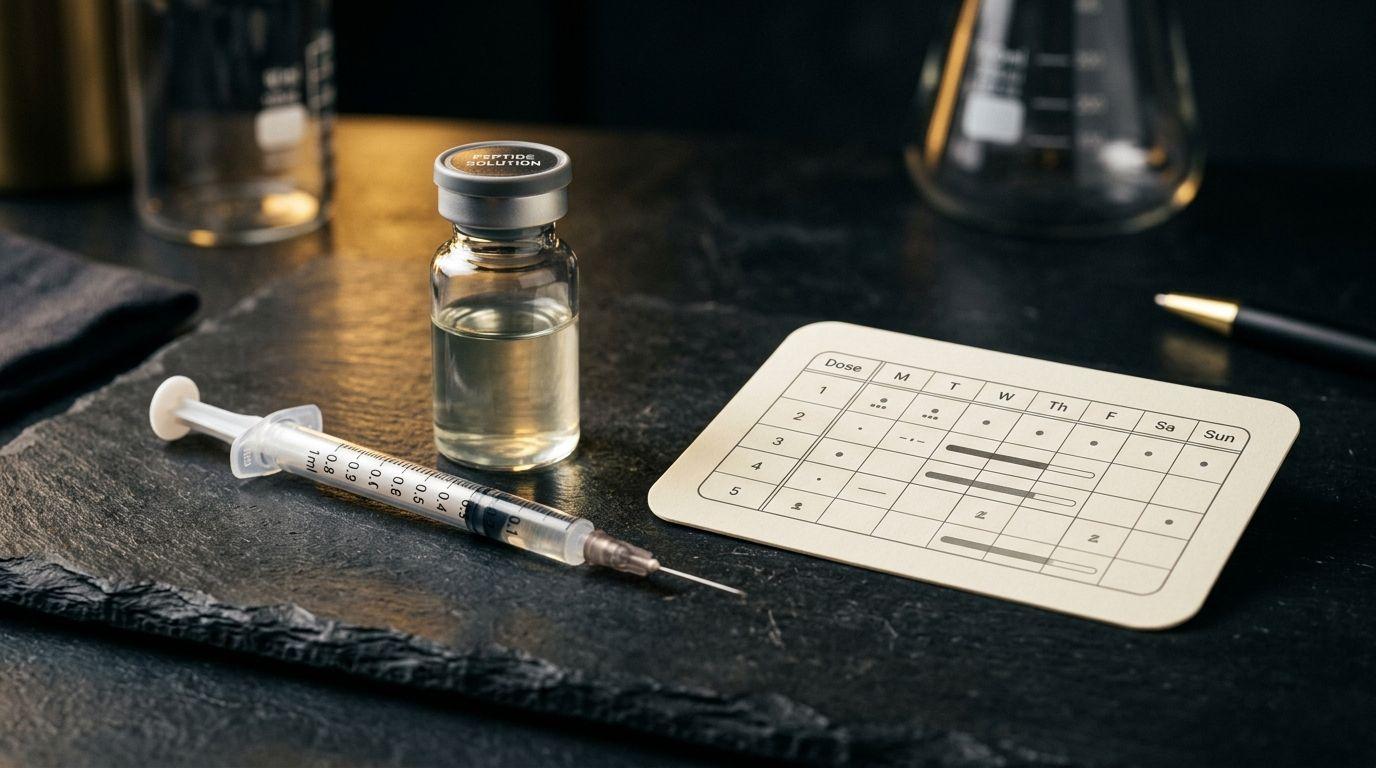
Tirzepatide Dosing Protocol: A Clinical Overview
Tirzepatide dosing follows a slow titration protocol designed to maximize tolerability and minimize gastrointestinal side effects. This overview explains the clinical rationale behind each step.
NAD+: The Anti-Aging Molecule Your Body Makes Less Of Every Decade
Nicotinamide adenine dinucleotide - NAD+ - sits at the center of cellular energy production, DNA repair, and longevity signaling. It also declines by roughly half between young adulthood and middle age.
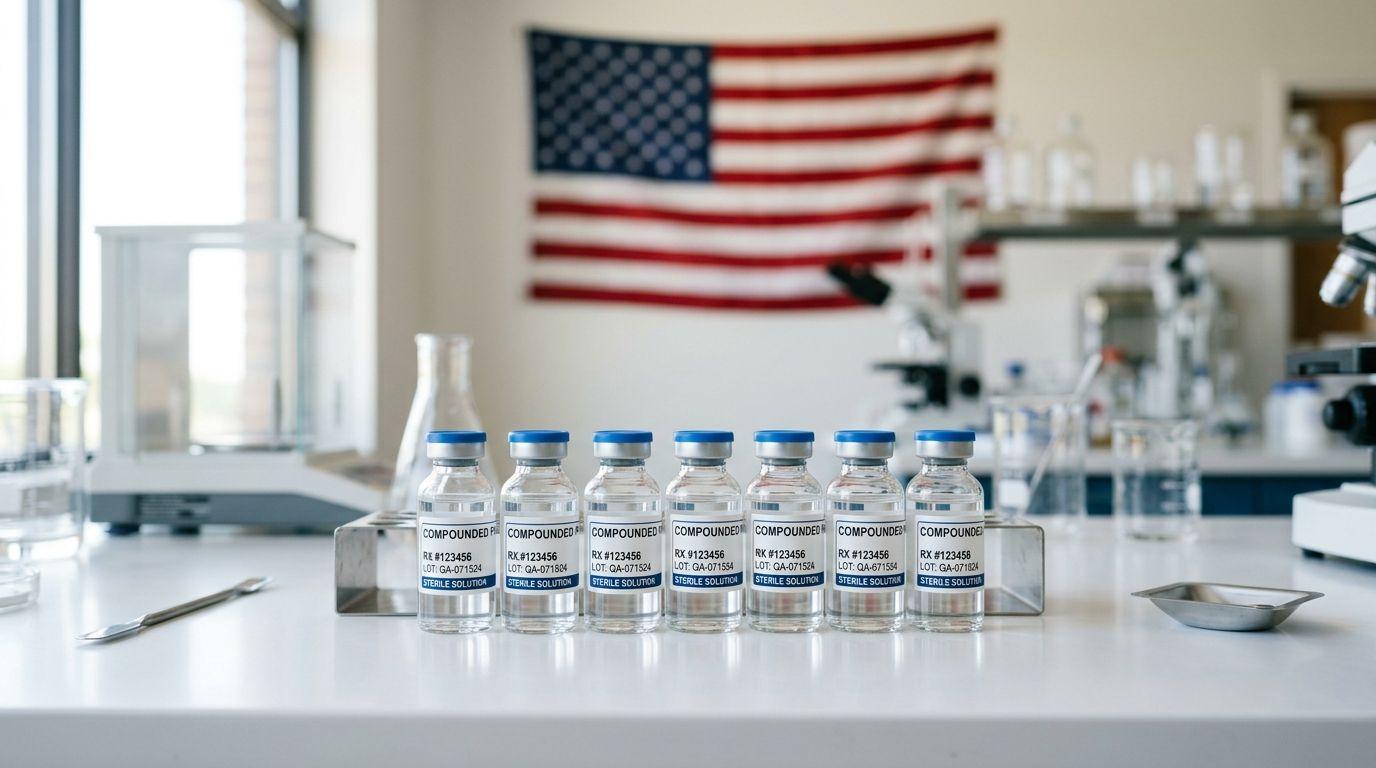
USP 797: What It Means and Why It Matters for Injectable Peptides
USP 797 is the federal standard that governs sterile compounding of injectable medications in the United States. Understanding it is the fastest way to evaluate any peptide source.
Why Your Peptides Might Be Counterfeit: The Overseas Quality Crisis
Independent testing has repeatedly shown that peptides sold online vary wildly in purity, potency, and identity. The chemistry is unregulated and the risks are real.
Semaglutide vs. Tirzepatide: Which GLP-1 Is Right for You?
Semaglutide and tirzepatide are both incretin-based therapies used for weight management and type 2 diabetes, but they work on different receptors and produce meaningfully different clinical results.
What Is BPC-157? The Complete Guide
BPC-157 is a 15-amino-acid peptide fragment derived from a protein found in gastric juice. It has become one of the most discussed recovery peptides in clinical and performance medicine.